


A Sunderland City Council-funded charity has warned that tackling misogyny in schools will fail unless specialist workers are brought into classrooms, despite welcoming a new government strategy aimed at reducing violence against women and girls.
Wearside Women in Need, which receives around half of its funding from Sunderland City Council, said teachers are already overstretched and cannot be expected to take sole responsibility for challenging misogynistic attitudes among pupils. The charity was responding to the government’s pledge to halve violence against women and girls over the next decade, backed by a £20m package that includes training for teachers and a new helpline for teenagers worried about abuse in their own relationships.
The organisation said the strategy was a step in the right direction but stressed that lasting change would only come if specialist support workers were embedded in schools. It argued that tackling violence and misogyny must become a core part of school culture rather than an added burden for teaching staff.
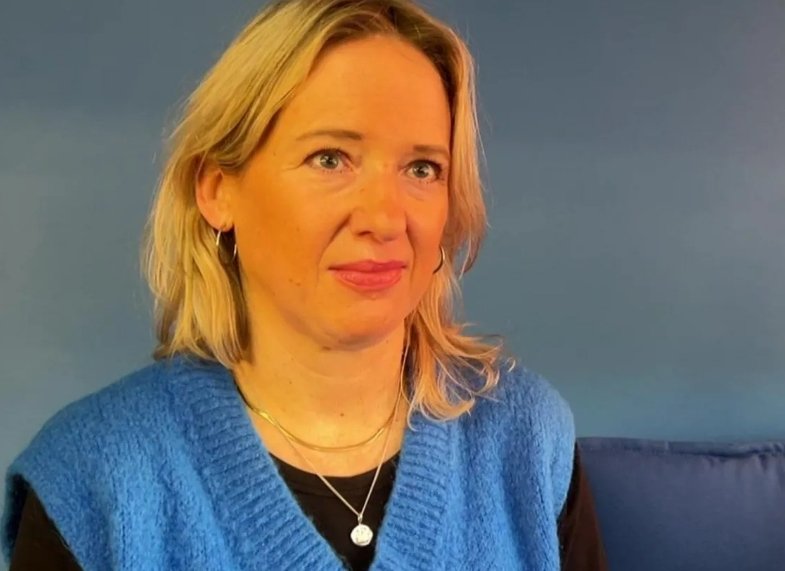
Laura Seebholm, chief executive of Wearside Women in Need, said the North East has some of the highest domestic abuse rates in the country, describing the figures as “eye-wateringly” high. She said the government was right to label violence against women and girls a national emergency, but warned that long-term funding was essential to make the strategy effective.
She said schools were facing a growing challenge from online misogyny and hostility towards women and girls, making early intervention increasingly difficult without specialist help. Seebholm added that while teacher training was welcome, it would not be enough on its own to counter attitudes pupils were being exposed to outside the classroom.
Alongside its funding from Sunderland City Council, the charity also receives about a quarter of its income from the Ministry of Justice. Seebholm said organisations across the sector were facing significant financial pressure while demand for services continued to rise, particularly for women seeking to flee abusive relationships.
She said more support was also needed for women and families who want to remain safely in their own homes, as well as stronger measures to hold perpetrators to account. Last year, she said, one in eight women in the UK experienced domestic abuse, sexual violence or stalking.
While welcoming the ambition of the government’s plans, Seebholm said there remained an urgent need for sustained investment in specialist services. She added that the ultimate goal was to reduce the need for crisis support, but warned that without long-term commitment the scale of the problem would remain unchanged.