Sunderland based Nigerian media entrepreneur is redefining immigration through storytelling
A Sunderland-based Nigerian media entrepreneur is using the power of storytelling to reshape narratives, amplify the voices of migrants, and address critical societal challenges.
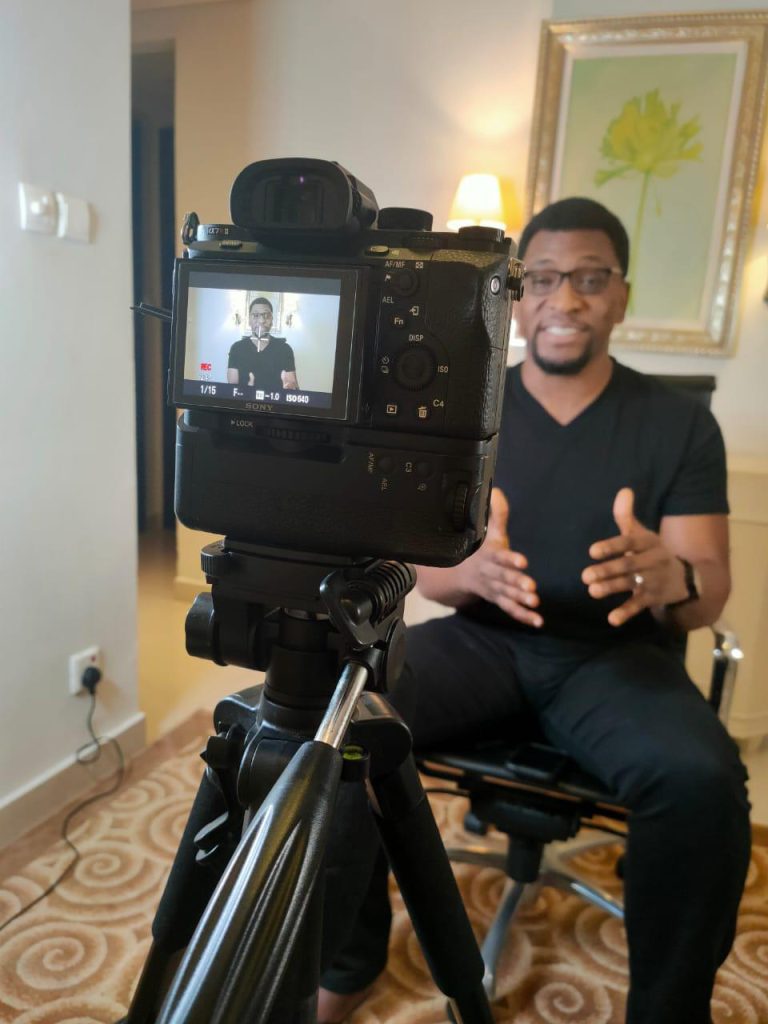
Demola Okeowo’s work, which spans documentaries, radio, and digital platforms, goes beyond traditional media—it is an effort to bridge cultural divides and challenge deeply rooted stereotypes.
Mr. Okeowo said his projects focus on the experiences of migrant communities in Sunderland and across the North East, showcasing their strength, contributions, and struggles.
“As a media entrepreneur, I view storytelling as a powerful tool for advocacy and empowerment. Through my media projects, I spotlight the journeys, challenges, and triumphs of migrant communities, creating a platform where their stories are not only heard but valued. By showcasing their resilience and contributions to society, I aim to challenge stereotypes, foster empathy, and inspire change”, the 36-year-old said.
Damola’s passion for advocacy was born from his early experiences in Nigeria, where he witnessed the impact of unchecked political power. “Growing up in Nigeria, I saw how corruption, insecurity, and inequality could flourish under unaccountable leadership,” the media entreprenur said. This inspired him to use media as a means of holding power to account.
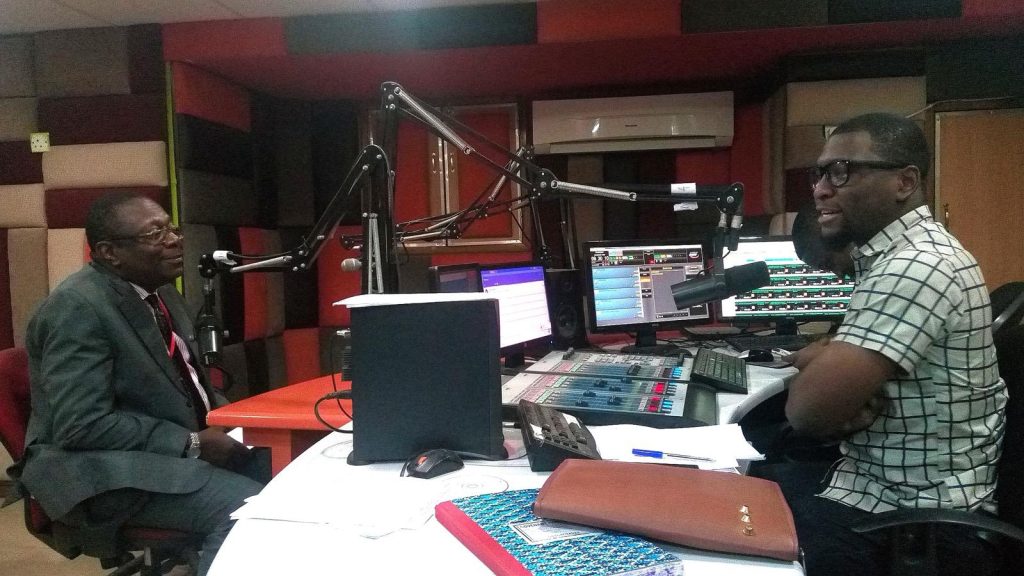
On radio and television, the father of one provided platforms for citizens to voice their concerns and challenged leaders with critical questions. His work has had real-world impacts, such as when a government tax policy was delayed after public outcry on his radio show exposed its flaws.
“That moment reminded me of the power of media to drive accountability and change,” he says. Beyond tangible results, Demola gauges success through audience engagement and the reach of his stories, measured by views, impressions, and social media interactions.
Mr. Okeowo’s storytelling is a fusion of tradition and technology. He integrates digital tools, data visualisation, and immersive visuals to create content that educates and engages. He also leverages artificial intelligence to accelerate research and improve efficiency as well as using collaborative approach, involving cross-disciplinary teams of technologists and advocates to ensure his stories resonate across diverse audiences.
“Navigating the global media landscape as a Nigerian entrepreneur hasn’t been without its challenges. I’ve learned to be resourceful—building partnerships, leveraging social media, and creating content with universal themes that transcend cultural barriers. My goal is to create content that transcends cultural and linguistic divides.”
His ability to innovate while remaining authentic has positioned him as a leading voice in inclusive storytelling, ensuring that the stories he tells resonate both globally and locally.
For Demola, the integrity of his work is paramount. “Accuracy and representation are at the heart of what I do,” he explains. He begins his projects by engaging directly with migrant communities, listening to their perspectives, and consulting cultural experts to ensure authenticity.
Through rigorous research and first-hand accounts, he presents stories that celebrate diversity while addressing systemic challenges within the community. “My goal is to foster cultural understanding and mutual respect among audiences.”
Looking to the future, Demola envisions creating content that uplifts marginalised voices and inspires collective action, leaving a legacy of empathy, understanding, and empowerment across the North East.
Meanwhile, according to the ICMPD and other migration-focused organisations, storytelling can reshape polarised debates, balance migration narratives, and build public support for safe, orderly, and regular migration. Effective communication must also maximise the benefits of migration, such as cultural enrichment and economic contributions, while addressing concerns through transparency and evidence-based narratives.
In the meantime, a 2024 census data show that the majority – 93.6% of Sunderland’s population is White British. The population of Asian residents is 3.4% of the total population. Blacks account for 0.7% of the population. Some wards, however, have a higher population of ethnic minorities, including Barnes, Hendon and St. Peter’s.