
Dick Turpin and the Ghost of Ryhope Hall (The Three Boars Head)
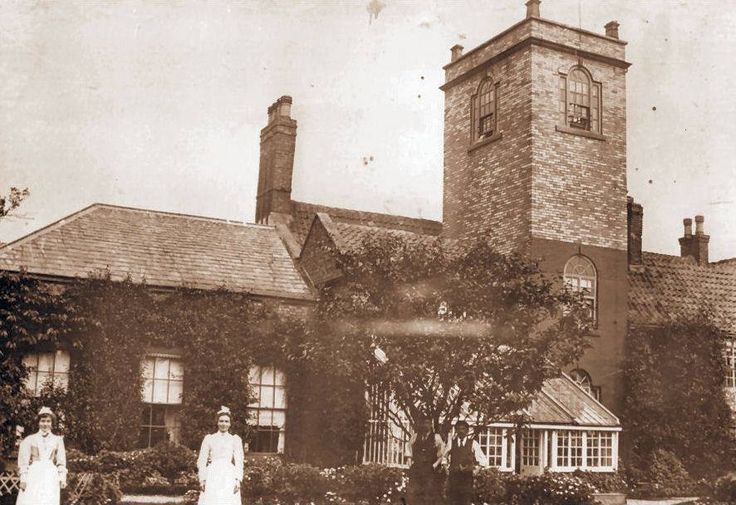
Long ago on the southern tip of Ryhope Village Green sat a hotel and tavern which was known as “Ryhope Hall” or “The Three Boars head”. The building was reportedly built in the 1600s, and by the 19th and 20th centuries was used as an inn for those who sought to visit and bathe in the sea at Ryhope Beach, and was noticeable for its distinct brick tower, which by legend was built that “the lady of the Hall could spy on her neighbour at Coqueda Hall“. It also however, allowed people to have a deep view of the sea, and therefore monitor shipping for family members returning home.
It was widely believed that the building was haunted, although by what people never seemed to agree. Digging deep into the archives, a Sunderland Echo Article dated from 31 March 1932 explores the ghosts of Ryhope.
As it describes, the hall was “a frequent haunt of antiquarians and others interested in the historic relics of the North-East, and the legends woven around the old building by the villagers add to its appeal. Traces of the ancient days of Ryhope Hall—parts of which are more than 300 years old—are still in evidence in the boars’ heads carved in stone over the main entrance“
While it was widely believed that the Village Green was haunted, perhaps by a fallen soldier of World War I, the article depicts Ryhope Hall as a creepy place, the kind you would imagine to be haunted. As the article elaborates: “The Hall suggests ghosts, with its long rambling passages, arched doorways. leaded windows, and ancient fireplaces”
The article goes on to speculate that the ghost frequenting the area may even be that of legendary outlaw and highwayman Dick Turpin, who “according to traditions [is] reputed to have enjoyed the hospitality of the old Boar’s Head the Hall was known the olden days” speculating that he “occasionally visits in spirit what was favourite halting place in his northern journeys”.
However, Ryhope Hall caught fire in the 1950s and was burnt down, leading to its demolition by the local authorities. The area is now the site of a series of houses, as well as the Farmer’s Club. Seemingly, reports of such a ghost were not carried on into the new properties, perhaps reminding ourselves that sightings of so called spirits ultimately “lived” for long the legacy of a given individual and place.
It is nonetheless a shame that such a building did not survive until the present day.


