
Remembering “The Great Fire of Sunderland” when High Street and John Street were destroyed
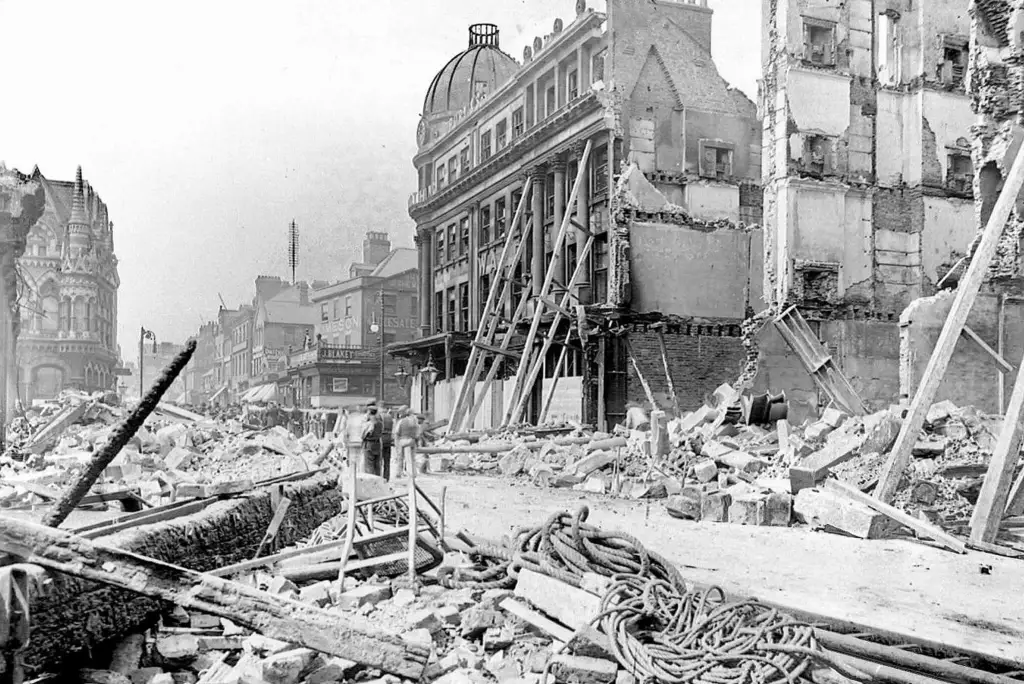
Every great city has experienced its own tragedy of a major fire. Whether it be Rome burning as Nero laughed, the great fire of London or the Chicago Fire, large populated areas have often been prone to huge blazes in past times when living spaces were cramped and safety was less rigid. Sunderland is no exception.
On 264 High Street West sits a building called “Havelock House”, sitting on the corner with Fawcett Street. It’s a mixed use facility with retail units on the first floor, which is currently home to Kaspa’s Dessert Café. This building was first constructed in the 19th century, at a time where the urban heart of Wearside had aggregated itself around High Street from East to West. At this time, the Havelock House building was a drapery which made textiles.
This of course, was a fire risk, on July 18th, 1898, a hot and windy day, a fire started in the building, which thrived on the textiles and fabrics it had dealt in. Engulfing the building, the wind made sure the fire gained momentum and soon the flames had swept throughout High Street and even as far as John Street. The fire was so extensive it soon destroyed up to 50 buildings in the surrounding area.
Despite the immense scale of damage, there were some miracles amidst the disaster. First of all, and most importantly, nobody died, which is an incredible feat for a fire of such a scale. Secondly, some of Sunderland’s most iconic and treasured buildings in that area were also miraculously unharmed. This included Mackie’s Corner (The Hutchinson Building), and the Elephant Tea Rooms which were just across the road. Can you imagine if we had lost them both?
The massive insurance payments from the fire nonetheless ensured the destroyed properties were swiftly rebuilt. Havelock House was redesigned in a “neo-Jacobean style with stone mullioned windows”, forming the structure which still stands today.


